Wildlife Management
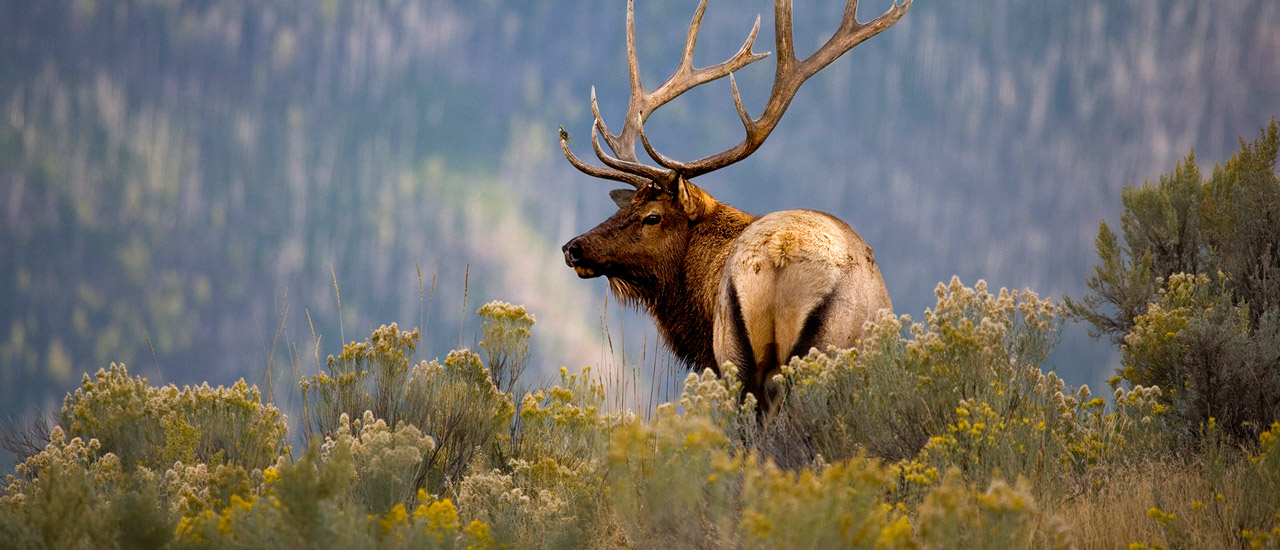
Wildlife management includes its conservation, pest and disease control as well as game management. The latter encompasses activities aimed at: – protection of game seen as an integral part of forest ecosystems, – creating favourable conditions for its breeding, growth and development, – keeping its number in check. As far as protection of animals and controlling their number are concerned hunting can be carried out only during the open season and is banned during the closed season (the time when game reproduces and takes care of the young). Hunters kill animals only when they are injured, weak, disabled or ill (infected by rabies included) or in order to counteract overpopulation of some species when there are no or not enough natural enemies. Hunters also fight poaching (=illegal hunting) and help animals caught or injured by different kinds of traps, e.g. snares. Another aim of game management is breeding and introducing animals into woodland, e.g. hare, partridge, pheasant. Last but not least, protection of rare or endangered species and promotion of biodiversity are also important. Creating favourable conditions means, among other things, protecting breeding grounds and water resources, providing proper shelter where game can hide or rest and enough food to keep animals away from fields or recently planted young trees where they can cause considerable damage. Such actions include: cultivating root crops, corn, legumes or planting young trees or bushes, which are a source of juicy shoots deer is so fond of. The above-mentioned food plots must be available for animals and are often situated at the edge of the forest so game can stop there to feed and therefore enter farmland less often. A similar policy is adopted in the case of creating grazing areas by mowing forest meadows, which not only stimulates the growth of herbs so favoured by the deer family (Cervidae) but also provides hay, used in winter to feed animals. Animals need food not only in summer but all year round. Bearing this in mind, hunters help animals to survive the time when the weather conditions are harsh, the ground is covered with snow or plants have not yet appeared. In spring and winter additional food and salt is provided. However, some scientists claim that animals need a proper habitat rather than artificial feeding because it may lead to the spread of diseases, disruption of their natural behaviour and lack of natural selection, to mention but a few. Habitat enhancement is not limited to providing food and shelter only but also tries to safeguard all the best conditions for the well-being of animals. This means all steps taken to improve their safety and health, such as disease prevention – vaccination against rabies included. game = wild mammals or birds hunted for food rabies = a contagious viral disease of the nervous system that causes madness, convulsions and death in the end counteract = to neutralize snare = a wired trap for catching birds or mammals grazing area = land where farm or wild animals can feed on grass mowing = cutting down grass bearing this in mind = taking it into account